What to check before booking a private Gaudi tour in Barcelona
A private Gaudi tour in Barcelona can feel very different from a standard city walk. The buildings are busy, the details are dense, and the best visit depends on timing, access, and the kind of commentary you want. Before committing, look past the headline and check what the experience actually includes.
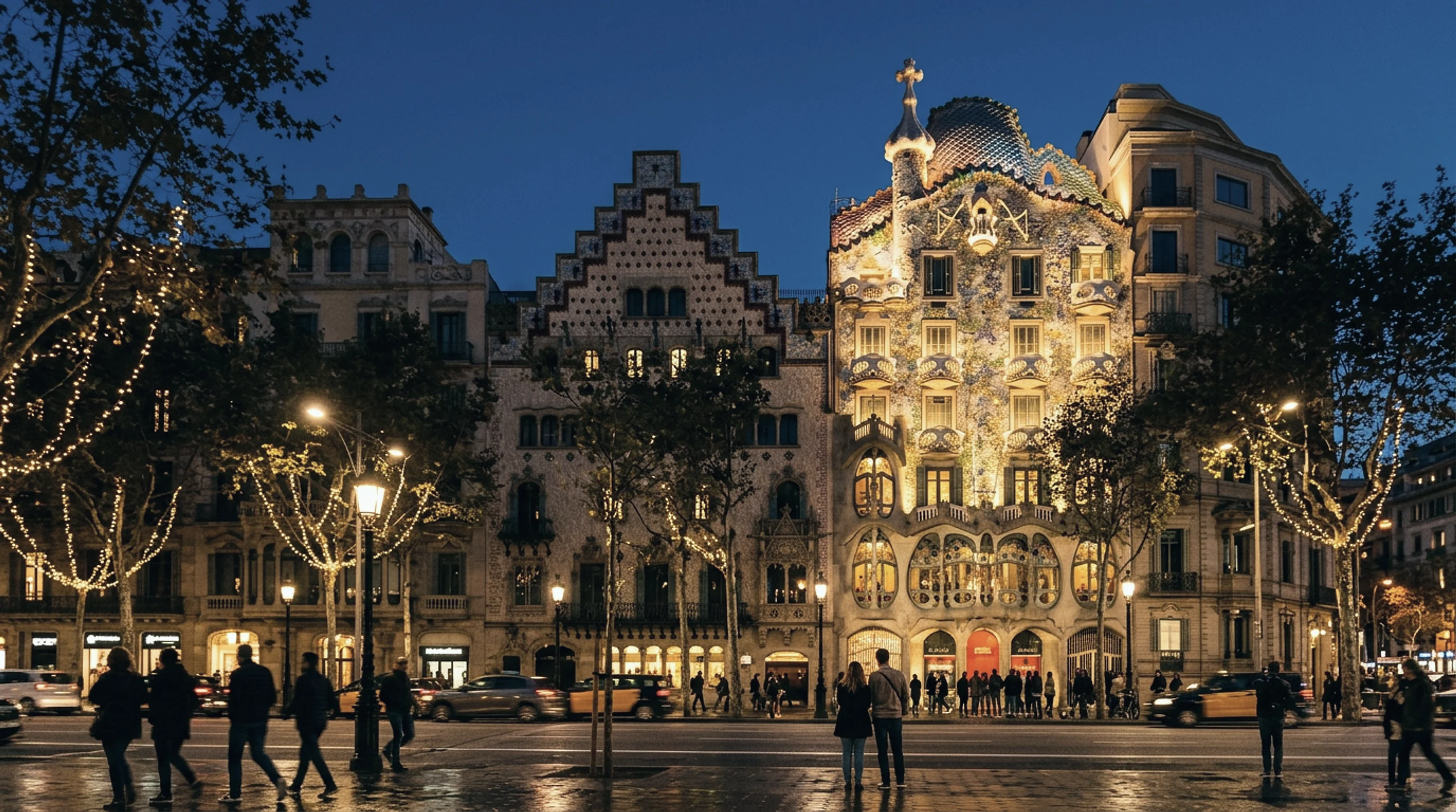
Start with the route. Gaudi sites are spread across the city, and a tour that tries to cover too much can leave little time to look closely at any one place. Sagrada Familia, Park Güell, Casa Batlló, and La Pedrera each reward a slower pace, especially when the guide can point out architectural details that are easy to miss from the pavement.
The route and the pace
A good itinerary should name the places you will see and make clear whether you go inside or only view the exteriors. That distinction matters. An exterior walk can be useful for understanding the setting and city layout, while an interior visit changes the whole experience, particularly at Sagrada Familia where light, scale, and symbolism shape the visit.
Check how travel between stops is handled. Barcelona streets can be slow at peak times, and uphill sections around Park Güell take energy. If the plan includes several sites, ask whether the route uses public transport, taxis, or walking only. The answer affects both comfort and the amount of time left for guided commentary.
Also consider the rhythm of the day. A tour that stacks several major sights back to back may look efficient on paper, but attention fades. Many visitors get more from a focused route with space to pause, take photographs, and ask questions.
What access is included
Access is one of the first points to clarify. Some tours include skip-the-line access to certain sites, while others only guide you around the outside. Read the wording carefully. General phrases such as "visit Gaudi landmarks" can hide the fact that entry tickets are not part of the experience.
If entry is included, check whether tickets are pre-arranged or whether you need to book separately. Also check whether there are timed entry windows, because these can affect the order of the route. A tour built around a fixed entry time needs a clear meeting point and a realistic arrival window.
When comparing options, it helps to keep the details in one place. A quick note on included entry, meeting point, duration, and language makes similar tours easier to judge. privatetourinbarcelona.com can be one reference point while you compare what different routes offer, but the decision should still rest on the practical details of the tour itself.
Do not assume that every famous stop is open on every day. Opening patterns can vary by site, season, and local conditions. If a particular building matters most to you, confirm that the route can adapt rather than simply pass by a closed door.
The guide and the language
With a private format, the quality of commentary is a major part of the value. Check what language the tour is offered in and whether the booking is for your group alone. A private setting should allow space for questions, though the pace still depends on the route and the sites visited.
Look for a description that explains the style of guiding. Some visits focus on biography and history, others on architectural details, symbols, and the wider Catalan context. Neither approach is automatically better. The right fit depends on whether you want a broad introduction or a closer reading of the buildings.
If you are travelling with children, older relatives, or anyone with limited mobility, mention that before booking. The route may need fewer stops, more seating breaks, or a different order. A tour that looks fine for a small group of adults may be tiring for others.
Group size, timing, and meeting details
Private does not always mean the same thing in every listing. Check whether the booking is for a defined group and whether other travellers could be added. The answer changes how much flexibility you can expect and how easily questions fit into the visit.
Duration is worth checking too. A short tour may work well as an introduction, especially if you plan to return to a site later. A longer visit can cover more ground, but only if the pace is sensible. Compare the stated length with the number of stops and the time needed to move between them.
The meeting point deserves the same attention as the itinerary. A clear starting location near the first stop reduces the chance of losing time before the visit begins. Check whether the tour ends near your hotel, a transport link, or the city centre, particularly if you have plans afterwards.
Time of day also shapes the experience. Morning visits can feel calmer in busy areas, while later slots may suit travellers who prefer a slower start. Light changes the appearance of facades and interiors, so think about whether photography is a priority.
Cost boundaries and cancellation terms
Before paying, read what the price covers and what it leaves out. Entry tickets, transport, and optional stops can affect the final cost. Clear terms make it easier to compare tours fairly instead of judging only by the headline figure.
Cancellation rules matter just as much. Check the window for changes, what happens if plans shift, and how weather or site closures are handled. This is not about expecting problems. It is about knowing where you stand before you book a date that may be weeks away.
Keep an eye on any wording that promises too much. A tour cannot control every queue, crowd, or closure in the city. Strong listings tend to describe what is included with precision and leave little need for guesswork.
Questions worth asking before you decide
A few focused questions can settle most doubts. They also reveal whether the tour has been planned with care or simply assembled around famous names.
- Which Gaudi sites are entered, and which are viewed only from outside?
- How long is the tour, and how much of that time is spent walking between stops?
- What language is used, and is the booking private for your group?
- Are tickets, transport, and skip-the-line access included in the stated price?
- What is the meeting point, and can the route change if a site is closed?
These questions are practical, but they also help you judge the shape of the visit. A tour built around a few sites with clear access and thoughtful commentary often feels more rewarding than a long list of landmarks squeezed into one day. The aim is not to find the busiest itinerary, but the one that gives Gaudi work enough space to be understood.
Before you book, compare the route, access, guide style, timing, and terms side by side. When those points line up, the rest of the trip becomes easier to plan. You will know where to start, what you will see, and how much attention each stop is likely to receive. That preparation makes a private Gaudi tour in Barcelona feel less like a gamble and more like a well matched use of your time.